Polished wood, tailored fabrics and harbour views give Lodestar’s suite description a strong identity. They do not tell every traveller how a room will work. A seaward suite may appeal for its outlook, yet your decision can depend just as much on the sleeping area, the route from the lift and whether companions can use the sitting room without disturbing each other. For a 2026 stay, begin with the needs you can name.
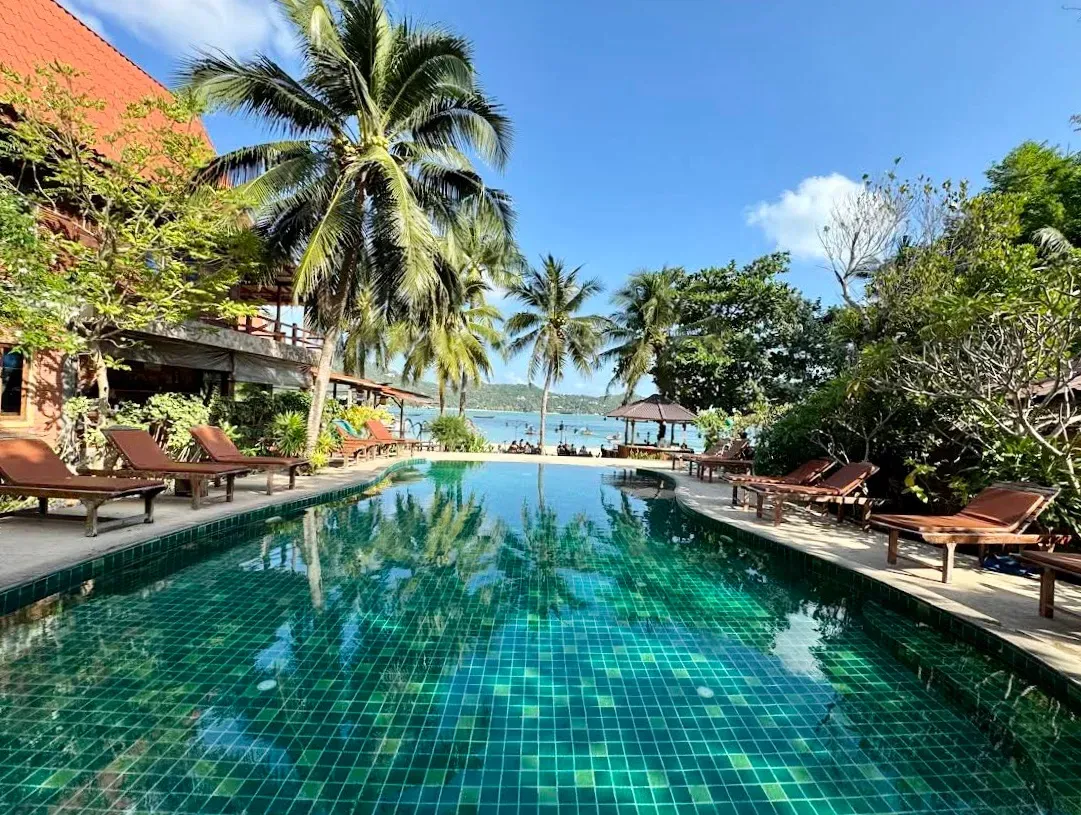
An outlook needs a little context
Ask what the advertised view means for the room category you are booking. A photograph can show a lovely angle without establishing the outlook from every window or floor. Check whether the image represents your category, another category or a shared lounge. A seaward suite description should be read alongside a confirmed location, rather than used to settle geography. Our address planning article explains that first check.
Keep the questions specific
- Which room category does this photograph represent?
- Is the outlook visible from the sleeping or sitting area?
- What privacy and window-covering details can be confirmed?
Light and privacy matter at different hours. A bright sitting room may be welcome in the afternoon, while someone sleeping late may care more about curtains. Ask about the features that affect your routine without assuming a particular compass direction or sunrise view. If the answer is a preference rather than a guarantee, keep that distinction visible in your notes. It helps prevent an attractive expectation from becoming an assumed booking condition.
Read the spaces as a daily routine
A generous lounge sounds useful, but the route between spaces matters. Ask whether the bedroom has a separate door, how the bathroom is reached and where luggage can be placed without blocking movement. A seaward suite can support different routines only if its layout fits them. One person reading after supper and another resting early may need more separation than a single photograph of a sofa can demonstrate.
| Description | Possible appeal | Question to ask |
|---|---|---|
| Private lounge | Space to sit together | Is there a separating door? |
| Harbour view | A sense of the setting | Which windows have the outlook? |
| Attentive hospitality | Help during the stay | How are requests arranged? |
Access deserves the same attention as décor. If stairs, a long corridor or a bathroom arrangement could affect your stay, describe the specific requirement when asking the hotel. Broad labels such as spacious or comfortable do not establish dimensions. For a seaward suite, request the relevant measurements or arrangement directly and ask what can be confirmed for your booking, rather than relying on a general statement about the property.
- Write down your essential sleeping and access needs.
- Match those needs to the actual room category.
- Ask about any feature the photographs do not establish.
- Separate confirmed details from requests awaiting allocation.
Keep a short record of the answer
A useful room comparison can be brief. Record the category, the agreed occupancy, the features that matter to you and any unanswered question. Compare like with like, including the stated booking conditions, rather than ranking rooms by their most dramatic photograph. Do not assume that a suite label includes meals, entertainment access or special arrival arrangements. Those details need their own confirmation for the dates you have chosen.
The room also belongs to the wider evening. If you expect to rest while a companion visits the gaming floor, decide how you will meet again without making the room a waiting place. The after-supper article considers separate choices within a shared stay. A seaward suite is most useful when it supports the trip you want, including quiet time that has no connection to gaming.